-
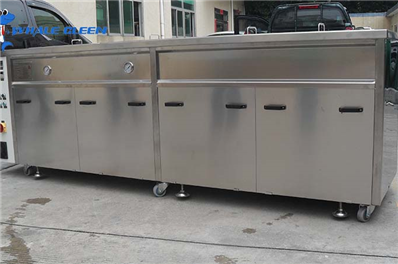 Ultrasonic Cleaning Machine for Blind Holes: How Whale Cleen Meets Strict Acceptance Standards
In precision manufacturing, the most difficult contamination is often the contamination you cannot see. Fine blind holes, narrow slots, threaded ports, and tight crevices can trap polishing dust, lapping residue, metal fines, and oil film. A part may look
-
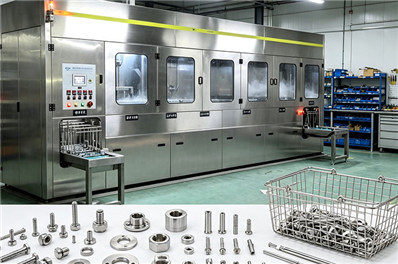 Breaking the Cleaning Bottleneck in Nickel and Gold Plating Lines with Whale cleen Ultrasonic Technology
In high-value surface finishing shops, nickel and gold plating lines demand the highest levels of surface cleanliness. A single fingerprint, a microscopic film of stamping oil, or a speck of polishing compound left on a component will manifest as blisteri
-
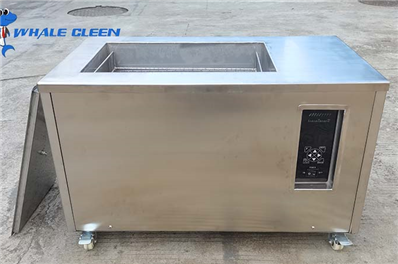 Dewaxing process and working principle of dewaxing ultrasonic cleaning machine
Polishing paste, polishing soap, polishing brick, polishing stick. Important ingredients of polishing wax: natural animal waxes such as whale wax, beeswax, wool wax, carnauba wax, candelabra wax, wood wax aromatic waxes with natural esters of high-grade f
-
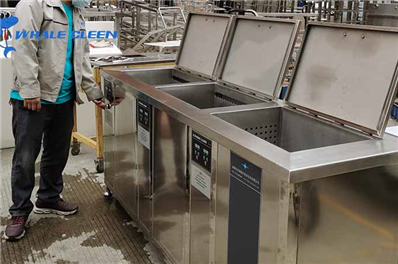 A detailed description of an automatic ultrasonic cleaning machine for metal parts
You will need a sonic cleaning machine to clean the polishing wax during the production and process of hardware parts. We can help you to choose the right machine as an 18years manufacturer in this field. We solved over 2000+ cleaning problems for the dif
-
 Surface Treatment Processes Following Ultrasonic Cleaning
After cleaning with anultrasonic cleaningdevice, the surface of the cleaned object may require additional processing to achieve the desired finish or functionality. Thesurface treatment processcan vary depending on the material and application of the obje
-
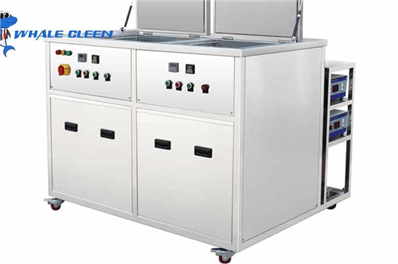 Stuck with Grinding Dust Embedded in Batch Workpiece Crevices? Manual Cleaning Is Draining Your Labor Budget and Driving Production Costs Through the Roof
Walk into any metalworking shop, stamping plant, or machining facility, and you will see the same scene repeated shift after shift: workers hunched over parts bins, scrubbing with brushes, picking at crevices with picks, blowing compressed air into blind
-
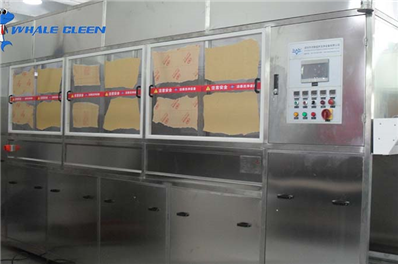 Ultrasonic Cleaning Machine: Solving the Batch Cleanliness Inconsistency Crisis in Aerospace Fastener Manufacturing
In aerospace manufacturing, a single contaminated fastener can compromise an entire assembly. Threaded surfaces trap machining oils, metal chips, and microscopic particulates that, if not completely removed, directly affect torque values, joint integrity,
-
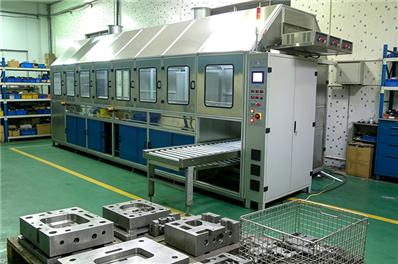 No Harsh Chemicals? How to Achieve Micron-Level Cleanliness for Nickel-Plated Substrates
You've dialed in the nickel plating bath chemistry. The temperature is right, the current density is optimized, and the dwell time is precisely controlled. Yet the plating still blisters. The cross-hatch test fails. The adhesion just isn't there.T
-
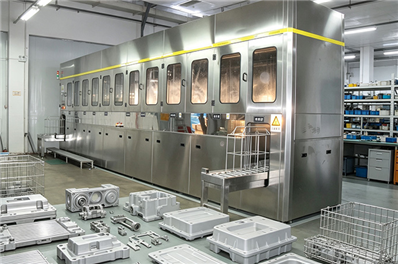 How Many Types of Electroplating Hardware Blanks Can One Ultrasonic Cleaning Machine Handle?
Walk into any hardware electroplating facility, and you will see a staggering variety of workpieces moving through the production line. Stamped brackets, machined housings, threaded fasteners, die-cast components, precision turned parts—each with its own
-
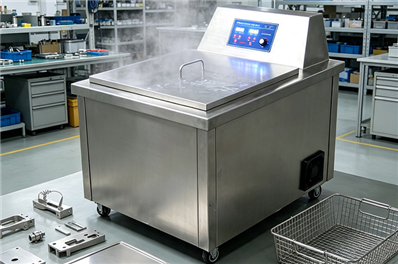 Ultrasonic Cleaning Machine: How Powerful Is It Really? A Shocking Test in Hardware Electroplating Pretreatment
If you have ever walked through a hardware electroplating line, you have seen the frustration firsthand. Parts come out of the bath with patches of peeling plating. Edges look dull. Blind holes show signs of uneven coverage. The plating bath chemistry is
-
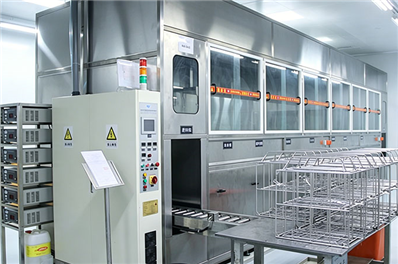 Precision Bearings Prone to Chipping and Scratching? Automated Ultrasonic Cleaning Machine Avoids Component Damage
Precision bearings are the lifeblood of modern mechanical transmission systems—from automotive drivetrains and high-speed machining spindles to aerospace actuators and industrial gearboxes. Yet, in countless workshops and production lines, the delicate ta
-
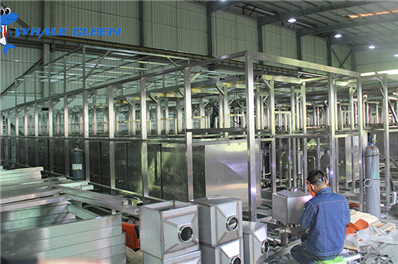 Batch Production Line: Practical Tips for Selecting Cylinder Block Cleaning Equipment – Featuring Whale Cleen Ultrasonic Technology
In high-volume manufacturing of engine blocks, cylinder heads, and similar castings, the cleaning process is not a secondary step—it is a critical bottleneck that directly impacts production throughput, component quality, and final assembly reliability. A